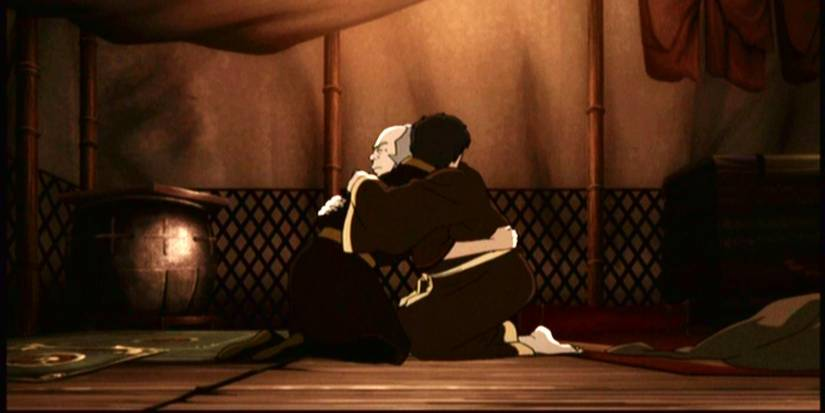
Unconditional Love
I’m sitting with my 10-year-old, doing our Saturday binge mornings of Avatar the Last Airbender. Or rather, we’ve gotten as far as the end of the season finale of the second season of Legend of Korra.
Avatar the Last Airbender, the animated series from Nickelodeon, is 10/10 in my eyes. I can’t think of a single episode that made me doze off or lose focus. The same goes for my children, all four of them I’d say, even though they watched the series in its entirety at completely different times. If you’re a parent with children approaching their ten-year-old mark, this is a perfect introduction to next-level storytelling. It’s incredibly satisfying to hear your children ask you at the beginning, “Is he evil?” and be able to smile knowingly and cryptically reply, “we’ll see…” This, with the knowledge that you’ve introduced them to a tradition of storytelling with complex characters of depth and many layers.
Legend of Korra wasn’t as impressive at first. A bit too silly, a bit too much soap opera romance. The craftsmanship was masterful, but perhaps a bit too much of an overdose, or rather, a multitude of spectacular powers. I worried that what was masterful in season one had turned into a formula that they mechanically tried to apply. But halfway through season two, it grew and rose. It rose to such an extent that I’m now seriously considering canceling the whole day of brilliant sunshine and saying we’ll stay inside and watch the rest.1
If I were to pick one thing that both The Last Airbender and Legend of Korra do incredibly well, it’s character development. Characters we would usually describe as archetypes for good or evil are allowed to be taken along loooong arcs to finally end up in a place where you secretly always wished they were. Another hallmark for both is the choice of characters who truly develop. Don’t get me wrong, most characters in the ensemble undergo some form of development, but some of the characters are taken on much more emotionally powerful journeys. What’s special is that it’s not about the core group of the ensemble, but rather side characters who are certainly important but perhaps don’t always play a central role in every episode. In The Last Airbender, Prince Zuko is the absolute strongest example of this, but in Legend of Korra, I would say it’s Tenzin. Perhaps it’s because, just like me, he’s a father to many children. But I was truly touched by the burden of responsibility as the last of his kind and the burden of parenthood.
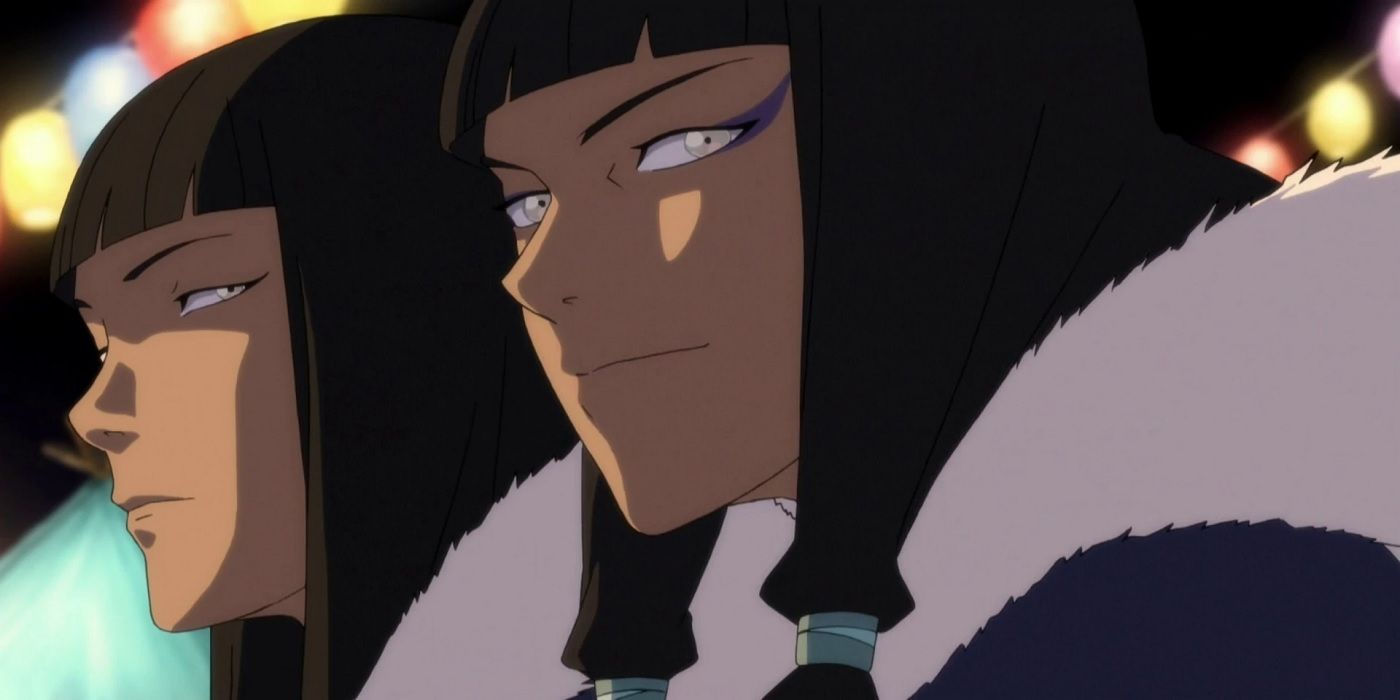
I say, like Eska: “You will always hold a special place in the organ that pumps my blood.”
Footnotes
-
But I’m a bit too wise from experience to make such missteps. We might continue watching tonight. ↩